





Can Sound Really Create Light? Exploring Sonoluminescence and Its Implications for Sound Healing
Sound has long been used to ease anxiety, regulate the nervous system, and support healing. But beyond its calming effects, sound has surprising energetic capabilities. In tightly controlled scientific experiments, sound waves can do something...
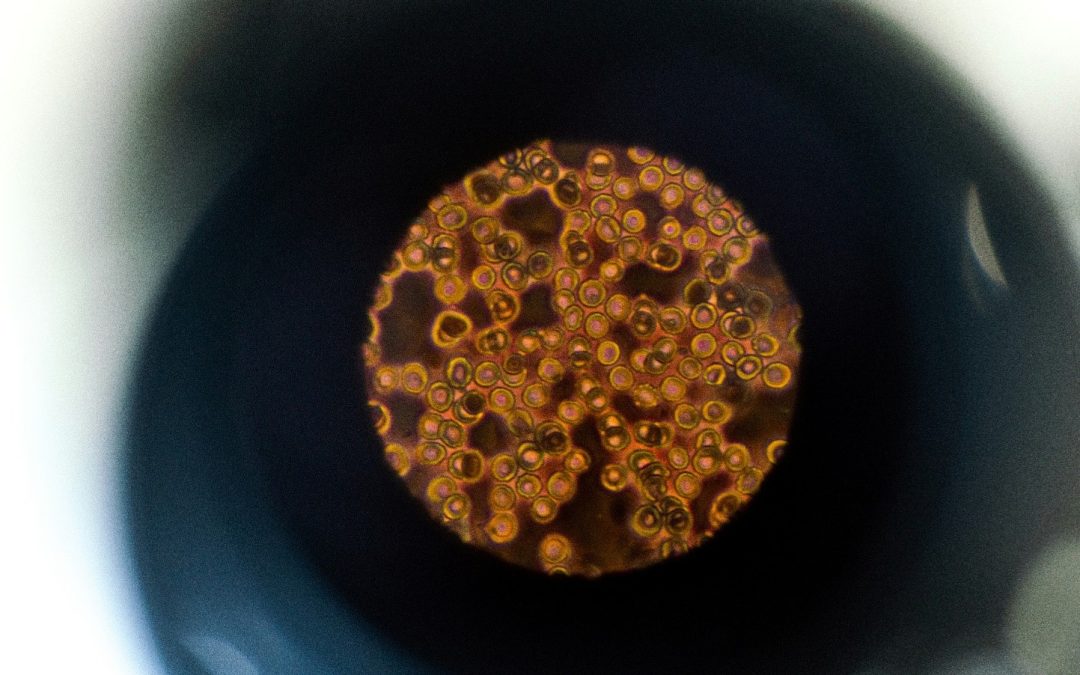
Do Cells Respond to Sound? What the Latest Research Reveals About Gene Expression and Sound Therapy
For decades, sound healing has been associated with relaxation, emotional well-being, and even physical recovery. But now, scientists are uncovering evidence that goes beyond anecdotal experience—suggesting that audible sound may influence...
The Case for 432 Hz: Reconsidering Tuning, Wellness, and the Geometry of Sound
The debate between 432 Hz and 440 Hz tuning continues to be a topic of interest in both the sound healing and music communities. While 440 Hz is the internationally standardized tuning frequency for modern music, many practitioners, musicians, and...

Sound Therapy for Insomnia: Evidence-Based Approaches to Better Sleep
Insomnia is more than just trouble falling asleep—it’s a chronic condition that can lead to fatigue, irritability, and long-term health consequences. As awareness grows around natural and non-invasive approaches to sleep support, more individuals...

Healing Frequencies and Hormonal Balance: What Does the Research Say?
Sound therapy has been widely explored for its calming effects—but could it also help balance hormones like cortisol, melatonin, and oxytocin? A growing number of studies suggest that it just might. While the science is still emerging, many...

3 Practical Meditation Techniques to Boost Creativity
Creativity isn’t just for artists or writers—it’s essential for problem-solving, innovation, and personal growth in all areas of life. Meditation, widely known for its stress-reducing benefits, is also a powerful tool for enhancing creative...