





Sound Healing for Gut Health: A Nervous System Perspective on the Gut–Brain Axis
If you’ve ever felt your stomach tighten during a stressful moment, you’ve experienced the gut–brain connection firsthand. Digestive symptoms are not always just about food. Increasingly, research has supported that the gut–brain axis is regulated...

How Group Sound Healing Builds Emotional Safety and Social Bonding
Modern neuroscience is shedding light on what many ancient traditions have long understood: sound has the power to heal not just individuals, but relationships and communities. Group sound meditation is gaining traction not just for relaxation, but...

How Voice Analysis Therapy is Transforming Health Diagnostics
Our voices are more than tools for communication, they are also powerful indicators of emotional and physiological well-being. With recent advances in acoustic science and machine learning, voice analysis therapy has emerged as a non-invasive...

Can Sound Really Create Light? Exploring Sonoluminescence and Its Implications for Sound Healing
Sound has long been used to ease anxiety, regulate the nervous system, and support healing. But beyond its calming effects, sound has surprising energetic capabilities. In tightly controlled scientific experiments, sound waves can do something...
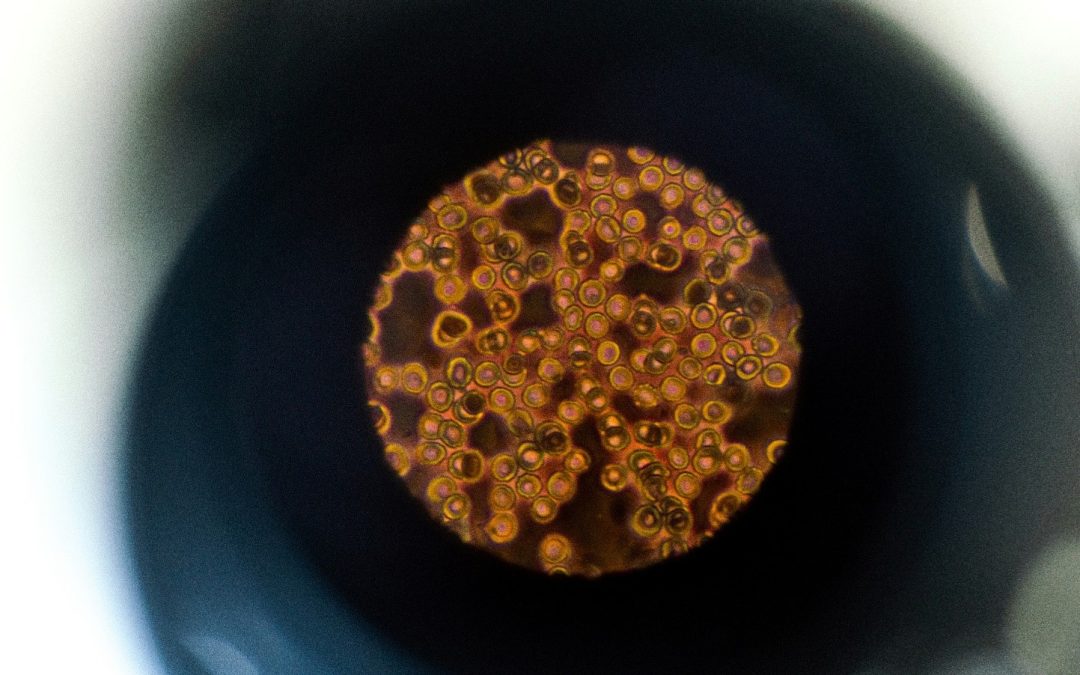
Do Cells Respond to Sound? What the Latest Research Reveals About Gene Expression and Sound Therapy
For decades, sound healing has been associated with relaxation, emotional well-being, and even physical recovery. But now, scientists are uncovering evidence that goes beyond anecdotal experience—suggesting that audible sound may influence...
The Case for 432 Hz: Reconsidering Tuning, Wellness, and the Geometry of Sound
The debate between 432 Hz and 440 Hz tuning continues to be a topic of interest in both the sound healing and music communities. While 440 Hz is the internationally standardized tuning frequency for modern music, many practitioners, musicians, and...