




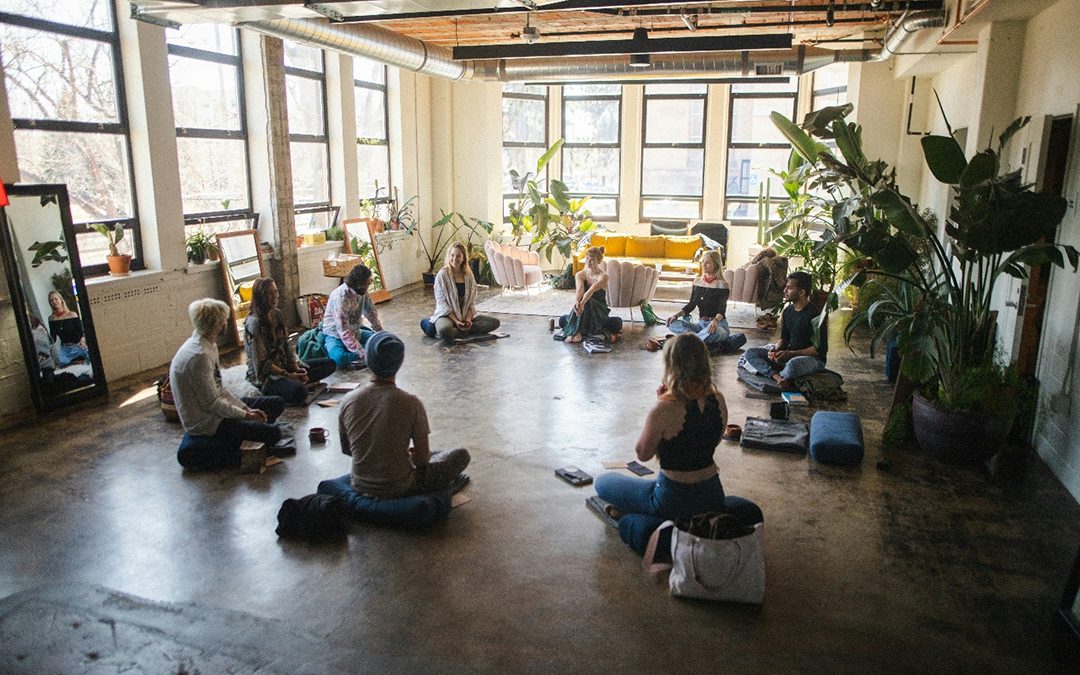
Modern neuroscience is shedding light on what many ancient traditions have long understood: sound has the power to heal not just individuals, but relationships and communities.
Group sound meditation is gaining traction not just for relaxation, but for creating emotional safety and social bonding. These aren’t just feel-good moments. They’re measurable, science-backed experiences that activate the body’s own neurochemical and rhythmic systems.
Oxytocin: How Group Sound Healing Encourages Connection
Oxytocin is often called the “connection hormone.” In group settings, it’s released through shared emotional and physical experiences—especially meditative or rhythmic ones.
What the Research Shows:
- Oxytocin strengthens empathy, trust, and group cohesion—even among people who don’t know each other.¹
- In clinical studies, combining oxytocin with group therapy has led to:
- Reduced anxiety
- Increased emotional attunement
- Stronger group cohesion²,³
- Group mindfulness combined with oxytocin enhances empathy and reduces stress.⁴
- Meditation practices focused on oneness may stimulate natural oxytocin release.⁵
“When we meditate together in a sound bath, we’re not just relaxing. We’re biologically primed to feel more connected, more trusting, and more emotionally safe.”
—Takahashi, 2025⁵
Try this at your next sound meditation:
When attending a group sound bath, consider setting a personal or shared intention beforehand. Noticing the silence between sounds, or softly humming along when invited, can deepen your emotional connection to the group and enhance the calming effects.
Entrainment & Synchrony: Why Group Rhythm Heals
Group sound healing also works by tapping into entrainment—the way bodies and brains sync with rhythmic external stimuli.
Entrainment promotes:
- Heart rate and breath synchronization
- Unified brainwave activity
- Shared emotional states—like calm, peace, or joy⁶
Collective rhythm creates:
- A sense of “we-ness” or shared identity
- Reduced feelings of isolation or competition
- Activation of the vagal nerveand parasympathetic system, which calms the body⁷
In sound healing, entrainment isn’t just physiological—it’s emotional regulation by way of rhythm.
What you can do during a sound bath:
Pay attention to your breath and see if it naturally aligns with the rhythm of the instruments. If you’re invited to hum or vocalize, try joining in—even softly. These small actions help your nervous system sync with the group and deepen the experience. Here’s what to expect from a sound bath.
Why This Matters to Sound Healing Practitioners
This emerging science validates what many participants already know intuitively: group sound healing creates a space where emotional openness and connection feel safer and more accessible.
Why this matters:
- Trauma-sensitive experiences thrive in environments of perceived safety.
- Workplace wellness sessions benefit from trust-building group practices.
- Private events gain more value when collective presence is encouraged.
Practical strategies for attendees:
- Open yourself to the experience with intentional breathing or vocal humming.
- Set a quiet personal intention to connect emotionally with the group energy.
- Let yourself relax into the rhythm of the session.
- Consider adding guided breathwork beforehand—a practice that helps deepen emotional safety.⁸ (More on breathwork here.)
Shared sound experiences can become emotionally corrective, especially for those healing from social disconnection or chronic stress.
Ready to Experience Group Sound Healing?
The science is clear: group sound healing offers more than relaxation. It creates biological conditions for trust, calm, and connection.
Reserve your spot at one of our upcoming group sound meditations today. Whether you’re new or experienced, each session is designed to support emotional well-being through sound, rhythm, and shared presence.
References
- Burkhart JC, Gupta S, Borrego N, Heilbronner S, Packer C. Oxytocin Increases Prosocial Behavior in Groups of African Lions. SSRN Electronic Journal. Published online 2021. doi: https://doi.org/10.2139/ssrn.3919952
- Stauffer CS, Moschetto JM, McKernan S, et al. Oxytocin-enhanced group therapy for methamphetamine use disorder: Randomized controlled trial. Journal of Substance Abuse Treatment. 2020;116:108059. doi: https://doi.org/10.1016/j.jsat.2020.108059
- Naderi S, Nasim Vousooghi, Nahid Sadighii, Amir S, Fahimeh Mirzaii, Emran Razaghi. Oxytocin Blocks Opioid Withdrawal Symptoms Only When Combined with Group Therapy: A Double-Blind, Randomized Controlled Clinical Trial. Iranian journal of psychiatry and behavioral sciences. 2020;14(3). doi: https://doi.org/10.5812/ijpbs.104627
- Zierhut M, Bergmann N, Hahne I, et al. The combination of oxytocin and mindfulness-based group therapy for empathy and negative symptoms in schizophrenia spectrum disorders – A double-blinded, randomized, placebo-controlled pilot study. Journal of Psychiatric Research. Published online January 1, 2024. doi: https://doi.org/10.1016/j.jpsychires.2024.01.014
- Takahashi T. Possible Role of Oxytocin during Meditation-Our Mission toward Oneness and Global Health. Journal of Alternative, Complementary & Integrative Medicine. 2025;11(2):1-7. doi: https://doi.org/10.24966/acim-7562/100546
- Brooks J, Maeda T, Ringhofer M, Yamamoto S. Oxytocin homogenizes horse group organization. iScience. 2024;27(7):110356. doi: https://doi.org/10.1016/j.isci.2024.110356
- Li Z, Xu M. Oxytocin enhances group-based guilt in high moral disengagement individuals through increased moral responsibility. Psychoneuroendocrinology. 2024;168:107131. doi: https://doi.org/10.1016/j.psyneuen.2024.107131
- Duque-Wilckens N, Trainor BC. Oxytocin release in stressful times. Psychoneuroendocrinology. 2022;140:105709. doi: https://doi.org/10.1016/j.psyneuen.2022.105709